
April 10, 2026
Discover the Beauty of Batik Quilting Fabric
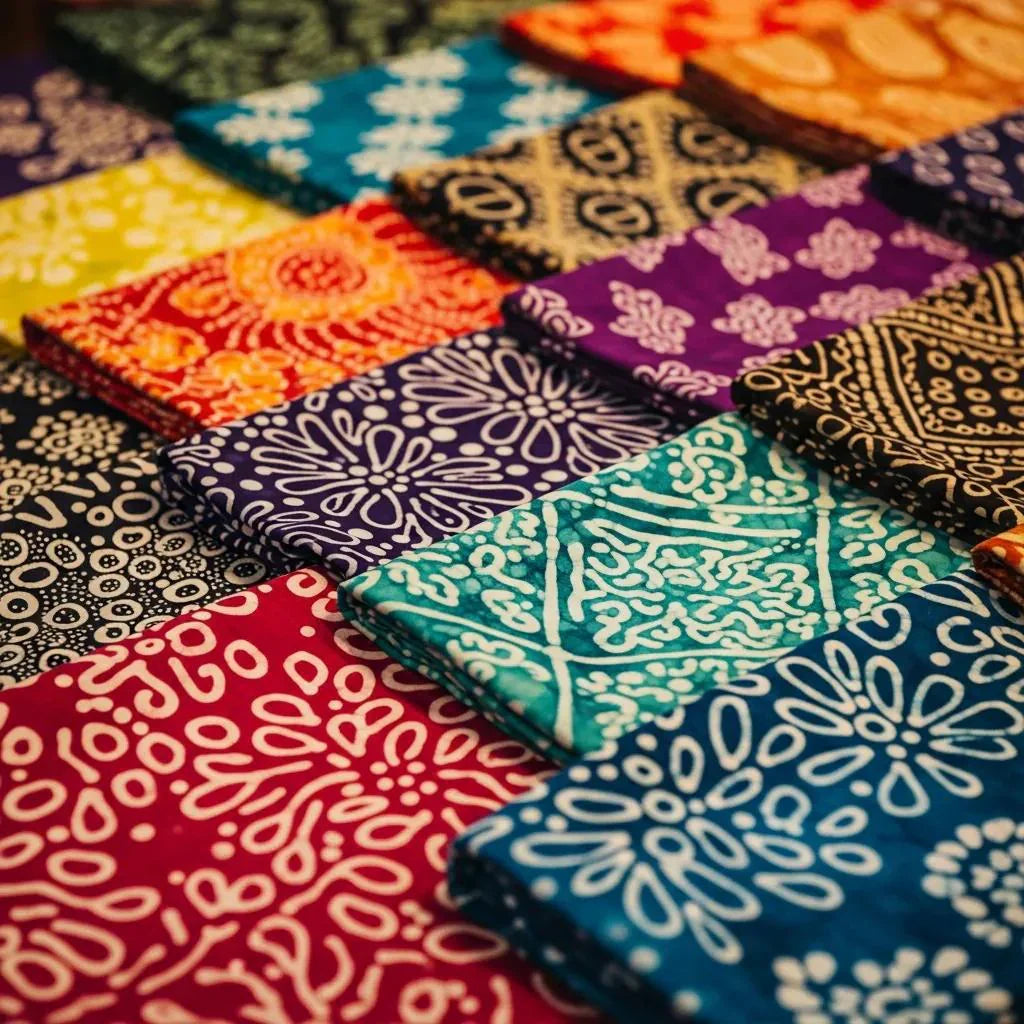
A Guide to Unique Hand Dyed Quilting Fabrics and Patterns
Batik quilting fabric is a vibrant and artistic choice for quilters, celebrated for its unique patterns and rich colors. This guide delves into the beauty of batik fabrics, exploring their distinctive characteristics, hand-dyeing techniques, and the various patterns that make them a favorite among quilting enthusiasts. Readers will learn about the intricate processes that define batik fabric, the emotional connection it fosters in creative projects, and how to select the perfect patterns for their quilting endeavors. As many quilters seek to express their creativity through unique designs, understanding batik fabric's qualities can enhance their projects significantly. This article will cover the unique characteristics of batik quilting fabric, the hand-dyeing techniques involved, and tips for choosing the right patterns.
Unique Characteristics of Batik Quilting Fabric
Batik quilting fabric is renowned for its exceptional qualities that set it apart from other quilting materials. The unique features of batik fabric stem from its intricate dyeing process, which involves applying wax to fabric before dyeing, resulting in stunning patterns and vibrant colors. This method not only enhances the visual appeal but also contributes to the fabric's durability and longevity. Batik fabrics are often made from high-quality cotton, ensuring they are soft yet sturdy, making them ideal for quilting projects.
The color range in batik fabrics is another standout characteristic. The hand-dyeing process allows for a wide spectrum of hues, from deep, rich tones to bright, lively shades. This variety enables quilters to create visually striking designs that can evoke different moods and themes. Additionally, each piece of batik fabric is unique, as the dyeing process can yield slight variations in color and pattern, adding to the charm and individuality of each quilt.
Hand-Dyeing Techniques

The art of batik involves several traditional hand-dyeing techniques that contribute to the fabric's unique appearance. The process begins with the application of wax, which is used to create intricate designs on the fabric. This wax application is crucial, as it prevents the dye from penetrating certain areas, allowing for the creation of detailed patterns.
Once the wax is applied, the fabric is dyed in vibrant colors. The dyeing methods can vary, with some artisans using natural dyes derived from plants, while others may opt for synthetic dyes for a broader color palette. After dyeing, the wax is removed through boiling or washing, revealing the beautiful patterns that have been preserved beneath. This meticulous process not only showcases the skill of the artisan but also ensures that each piece of batik fabric is a work of art.
The intricate nature of these techniques is fundamental to developing expertise in textile arts.
Batik Hand Dyeing Techniques & Process Flow
Spaces suitable for traditional hand dyeing and printing, and paths of batik’s “principles”, “process flow, dyeing techniques” are crucial for cultivating high-quality technical and skilled talents in textile and garment professional courses.
Research on the Integration of Handicrafts into the Teaching Practice of Textile and Garment Professional Courses in Higher Vocational Colleges: Take the …, 2025
Patterns in Batik Quilting Fabric
Batik quilting fabric features a diverse array of patterns that can inspire creativity in quilting projects. Common designs include floral motifs, geometric shapes, and traditional cultural symbols. Each pattern tells a story, often reflecting the cultural heritage of the region where the fabric is produced.
The floral designs are particularly popular, as they can add a touch of nature to any quilt. Geometric patterns, on the other hand, offer a modern aesthetic that can complement contemporary quilting styles. Traditional motifs often carry significant cultural meanings, making them a thoughtful choice for quilters looking to incorporate storytelling into their work.
Floral Designs
Floral patterns in batik fabric are characterized by their vibrant colors and intricate details. These designs can range from delicate blossoms to bold, oversized flowers, allowing quilters to choose styles that resonate with their artistic vision. The use of floral motifs can evoke feelings of warmth and beauty, making them a favorite among many quilters.
Geometric Shapes
Geometric patterns provide a modern twist to batik quilting. These designs often feature sharp lines and symmetrical shapes, creating a striking visual impact. Quilters can use geometric patterns to achieve a contemporary look, making them suitable for a variety of projects, from traditional quilts to modern wall hangings.
Traditional Motifs
Traditional batik motifs often carry deep cultural significance, representing various aspects of life, nature, and spirituality. Incorporating these patterns into quilts can add layers of meaning and connection to the fabric's origins. Quilters who choose traditional motifs not only celebrate the artistry of batik but also honor the cultural narratives embedded within the designs.
The Beauty of Batik Quilting Fabric
The aesthetic appeal of batik quilting fabric lies in its vibrant colors and unique patterns, which can transform any quilting project into a stunning masterpiece. Batik fabric's transformative nature allows quilters to express their creativity and individuality through their work. The emotional connection that many quilters feel towards batik fabric often stems from its rich history and the stories that each piece can tell.
Indeed, the profound cultural significance of batik is widely recognized, extending its value beyond mere aesthetics.
Batik: Cultural Heritage, Aesthetics & Innovation
Batik, a traditional textile art and Indonesia’s intangible cultural heritage, has been recognized by UNESCO since 2009. As a symbol of national identity, batik carries aesthetic, philosophical, and historical values passed down through generations. However, globalization and the creative industry’s growth present challenges, especially with the younger generation’s decreasing interest in batik’s traditional meanings and production processes. To address this issue, an innovative approach is needed to bridge tradition and modernity.
Preserving local cultural heritage through the innovation of three-dimensional (3D) batik motifs, I Indarti, 2025
Batik fabric's versatility is another reason for its popularity among quilters. It can be used in a variety of projects, from traditional quilts to modern home decor items. The ability to mix and match different batik fabrics can lead to innovative designs that reflect the quilter's personal style. This adaptability makes batik fabric a valuable addition to any quilter's collection.
For those interested in exploring batik quilting fabric, various retailers offer a wide variety of high-quality options, ensuring that every quilter can find the perfect fabric for their next project.
What Makes Batik Quilting Fabric Unique for Quilters?
Batik quilting fabric stands out for several reasons that make it particularly appealing to quilters. The unique dyeing techniques used in creating batik fabric result in one-of-a-kind pieces that cannot be replicated, allowing quilters to create truly original works. Additionally, the cultural significance of many batik patterns adds depth to quilting projects, making them more meaningful.
The diversity of colors and patterns available in batik fabric also allows quilters to express their creativity freely. Whether one prefers bold, vibrant hues or subtle, muted tones, there is a batik fabric to suit every taste. This variety encourages experimentation and innovation in quilting designs, making batik a favorite among both novice and experienced quilters.
How Does the Hand Dyeing Technique Define Batik Fabric Quality?
The quality of batik fabric is heavily influenced by the hand-dyeing techniques employed during its creation. High-quality batik fabrics are often made using traditional methods that prioritize craftsmanship and attention to detail. The use of natural dyes can enhance the fabric's quality, providing rich, lasting colors that do not fade easily.
Furthermore, the skill of the artisan plays a crucial role in determining the fabric's overall quality. Experienced artisans are adept at applying wax and dye in ways that create intricate patterns while maintaining the fabric's integrity. This level of craftsmanship ensures that each piece of batik fabric is not only beautiful but also durable, making it suitable for various quilting applications.
Which Colorful Batik Fabric Designs Inspire Creative Quilting?
Colorful batik fabric designs can serve as a source of inspiration for quilters looking to create unique projects. Popular designs often feature vibrant color combinations that can evoke different emotions and themes. For instance, warm colors like reds and oranges can create a sense of energy and passion, while cool colors like blues and greens can evoke tranquility and calmness.
Quilters can draw inspiration from the natural world, cultural symbols, or even abstract concepts when selecting batik fabric designs. The key is to choose fabrics that resonate with the quilter's personal style and the message they wish to convey through their work. This creative freedom is one of the many reasons why batik fabric is cherished in the quilting community.
How to Choose the Perfect Batik Quilt Patterns for Your Projects?
Selecting the right batik quilt patterns involves considering several factors to ensure a successful project. First, quilters should think about the overall theme or message they want to convey through their quilt. This can guide their choice of colors and patterns, helping to create a cohesive design.
Next, it's essential to consider the skill level required for the chosen pattern. Some batik quilt patterns may be more complex and require advanced quilting techniques, while others may be suitable for beginners. Quilters should also take into account the size of their project and the amount of fabric needed, ensuring they have enough material to complete their vision.
Factors to Consider
When choosing batik quilt patterns, quilters should consider the following factors:
- Theme: Determine the overall theme or message of the quilt.
- Skill Level: Assess the complexity of the pattern and match it to your skill level.
- Fabric Requirements: Ensure you have enough fabric to complete the project.
By taking these factors into account, quilters can select patterns that not only inspire creativity but also align with their abilities and project goals.
Popular Patterns
Some popular batik quilt patterns include:
- Log Cabin: A classic design that allows for creative use of color and pattern.
- Nine-Patch: A simple yet effective pattern that can showcase batik fabrics beautifully.
- Star Patterns: These designs can create stunning visual effects when combined with vibrant batik fabrics.
These patterns can serve as a foundation for quilters to explore their creativity and experiment with different batik fabrics.
What Are the Most Popular Batik Fabric Patterns and Their Meanings?

Batik fabric patterns often carry significant cultural meanings, making them more than just decorative elements. Some of the most popular patterns include:
- Parang: Symbolizing strength and resilience, this pattern is often associated with the spirit of the warrior.
- Kawung: Representing the four cardinal points, this design is linked to balance and harmony.
- Sido Mukti: A symbol of prosperity and good fortune, this pattern is commonly used in celebratory quilts.
Understanding the meanings behind these patterns can enhance the quilting experience, allowing quilters to connect with the cultural heritage of their materials.
Further research highlights how these patterns vary significantly across different regions, each with its own distinct characteristics and symbolic interpretations.
Regional Batik Patterns: Colors, Symbols & Structures
The research method involved collecting information on 10 traditional batik patterns used in the two regions using specialized books, journal articles, documentaries, web pages, and theses, and comparatively analyzing their characteristics by pattern, color, symbolic meaning, and structure. As a result of the analysis, plant patterns and natural patterns were mainly used in Yogyakarta, while animal patterns and plant patterns were mainly used in Pekalongan. In terms of color, brown and indigo tones were mainly used in Yogyakarta, while Pekalongan showed a variety of colors such as green, red, and purple in addition to brown tones. The symbolic meaning of batik patterns was more abundant in Yogyakarta than in Pekalongan, and Yogyakarta's batik patterns mainly used geometric structures, while Pekalongan mainly used non-geometric structures.
Comparative analysis of Indonesian Batik traditional patterns: Focused on patterns of Yogyakarta and Pekalongan in Java Island, 2019
How Do Fabric Attributes Influence Pattern Selection?
The attributes of batik fabric, such as weight, texture, and colorfastness, play a crucial role in pattern selection. Quilters should consider the following attributes when choosing fabric for their projects:
- Weight: Heavier fabrics may be better suited for quilts that require durability, while lighter fabrics can be used for delicate designs.
- Texture: The texture of the fabric can affect how patterns are perceived, with smoother fabrics often showcasing intricate designs more effectively.
- Colorfastness: Ensuring that the colors in the fabric will not fade over time is essential for maintaining the quilt's beauty.
By understanding these attributes, quilters can make informed decisions that enhance the overall quality and longevity of their projects.
What Are the Best Practices for Caring for Batik Quilting Fabrics?
Caring for batik quilting fabrics is essential to maintain their vibrant colors and unique patterns. Here are some best practices for ensuring the longevity of batik fabrics:
- Gentle Washing: Always wash batik fabrics in cold water using a gentle detergent to prevent fading.
- Air Drying: Avoid direct sunlight when drying batik fabrics, as this can cause colors to fade. Instead, air dry in a shaded area.
- Storage: Store batik fabrics in a cool, dry place, away from direct sunlight to preserve their colors.
Following these care tips can help quilters maintain the beauty of their batik fabrics for years to come.
How to Maintain Vibrant Colors in Hand Dyed Batik Fabrics?
To keep the colors of hand-dyed batik fabrics vibrant, quilters should adopt specific maintenance practices. Regularly checking for signs of fading or discoloration can help identify any issues early on. Additionally, using color-safe detergents during washing can prevent color loss.
It's also advisable to avoid harsh chemicals or bleach, as these can damage the fabric and lead to fading. By taking these precautions, quilters can ensure that their batik fabrics remain as stunning as the day they were purchased.
Which Cleaning Methods Preserve Batik Fabric Quality?
When it comes to cleaning batik fabrics, certain methods are more effective at preserving their quality. Recommended cleaning methods include:
- Hand Washing: Gently hand washing batik fabrics in cold water is often the safest method to prevent damage.
- Machine Washing: If machine washing is necessary, use a gentle cycle and place the fabric in a mesh laundry bag to protect it.
- Spot Cleaning: For minor stains, spot cleaning with a damp cloth can be effective without subjecting the entire fabric to washing.
These cleaning methods can help maintain the integrity and beauty of batik fabrics, ensuring they remain a cherished part of any quilting collection.
Where Can You Find Authentic Batik Fabric for Sale?
Finding authentic batik fabric can enhance the quality of quilting projects. Several sources offer high-quality batik fabrics, including:
- Online Retailers: Websites specializing in quilting supplies often carry a wide selection of batik fabrics.
- Local Quilt Shops: Visiting local quilt shops can provide an opportunity to see and feel the fabric before purchasing.
- Craft Fairs: Many artisans sell their handmade batik fabrics at craft fairs, offering unique options not found in stores.
For those seeking a reliable source, various retailers offer a wide variety of high-quality quilting fabrics, including batiks, ensuring that quilters can find the perfect materials for their projects.
What Should You Look for When Buying Batik Quilting Fabric Online?
When purchasing batik quilting fabric online, several factors should be considered to ensure a satisfactory purchase. First, check for detailed product descriptions that include information about the fabric's weight, texture, and dyeing methods. This information can help quilters make informed decisions.
Additionally, look for customer reviews and ratings to gauge the quality of the fabric and the reliability of the seller. Finally, consider the return policy in case the fabric does not meet expectations upon arrival.
How Does Pricing Vary Among Batik Fabric Suppliers?
Pricing for batik fabrics can vary significantly among suppliers, influenced by factors such as quality, design complexity, and the source of the fabric. High-quality batik fabrics made from premium cotton and produced by skilled artisans may command higher prices due to the craftsmanship involved.
Conversely, more mass-produced batik fabrics may be available at lower prices but may lack the unique qualities that hand-dyed fabrics offer. Quilters should weigh these factors when considering their budget and the value of the fabric they wish to purchase.
What Are Unique Batik Quilt Design Ideas to Inspire Your Creativity?
Batik fabrics can inspire a multitude of unique quilt designs. Here are some creative ideas to consider:
- Patchwork Quilts: Combine various batik fabrics to create a colorful patchwork quilt that showcases different patterns and colors.
- Appliqué Designs: Use batik fabrics for appliqué projects, adding depth and texture to the quilt.
- Wall Hangings: Create stunning wall hangings using batik fabrics to display intricate designs and vibrant colors.
These design ideas can help quilters explore the versatility of batik fabrics and encourage them to experiment with their creativity.
How to Incorporate Colorful Quilting Fabrics into Distinctive Quilt Patterns?
Incorporating colorful batik fabrics into quilt patterns can elevate the overall design. Here are some tips for achieving distinctive results:
- Color Theory: Understand the basics of color theory to create harmonious combinations that enhance the quilt's visual appeal.
- Contrast and Balance: Use contrasting colors to create focal points within the quilt while maintaining balance throughout the design.
- Layering Techniques: Experiment with layering different batik fabrics to add depth and dimension to the quilt.
By applying these techniques, quilters can create visually stunning quilts that highlight the beauty of batik fabrics.
Which Quilting Techniques Complement Batik Fabric Designs?
Certain quilting techniques can enhance the beauty of batik fabric designs. Techniques such as free-motion quilting allow for creative expression and can highlight the intricate patterns of batik fabrics. Additionally, using contrasting thread colors can create striking visual effects against the vibrant backgrounds of batik fabrics.
Other techniques, such as foundation piecing, can help achieve precise shapes and lines, making them ideal for showcasing the unique designs of batik fabrics. By selecting the right techniques, quilters can elevate their projects and fully appreciate the artistry of batik quilting fabric.
Frequently Asked Questions
What is the history of batik fabric and its cultural significance?
Batik fabric has a rich history that dates back centuries, primarily originating from Indonesia. It is recognized as an intangible cultural heritage by UNESCO, symbolizing national identity and artistic expression. The intricate patterns and dyeing techniques reflect the cultural narratives and traditions of the regions where they are produced. Each design often carries specific meanings, representing aspects of life, nature, and spirituality, making batik not just a fabric but a storytelling medium that connects generations.
How can I tell if a batik fabric is authentic?
To determine the authenticity of batik fabric, look for signs of traditional hand-dyeing techniques, such as irregularities in patterns and colors, which indicate a handmade process. Authentic batik often features wax-resist dyeing, resulting in unique designs that cannot be replicated. Additionally, reputable sellers will provide information about the fabric's origin and production methods. Checking for certifications or labels that confirm the fabric's authenticity can also help ensure you are purchasing genuine batik.
What are some common mistakes to avoid when working with batik fabrics?
When working with batik fabrics, quilters should avoid using harsh chemicals during washing, as these can fade the vibrant colors. Additionally, not pre-washing the fabric can lead to unexpected shrinkage or color bleeding. It's also important to avoid cutting batik fabrics without considering the pattern direction, as this can disrupt the design flow. Lastly, quilters should be cautious about mixing batik with other fabric types that may not have the same care requirements, which can affect the overall quilt quality.
Can batik fabrics be used for projects other than quilting?
Absolutely! Batik fabrics are versatile and can be used for a variety of projects beyond quilting. They are excellent for making clothing, such as dresses, skirts, and shirts, due to their vibrant colors and unique patterns. Additionally, batik can be used for home decor items like table runners, pillow covers, and wall hangings. The fabric's artistic appeal makes it suitable for crafts, accessories, and even art projects, allowing for creative expression in numerous forms.
What are the best ways to combine batik fabrics with other materials?
Combining batik fabrics with other materials can enhance the overall design of a project. To achieve a harmonious look, consider using solid colors that complement the batik's hues. Fabrics like cotton or linen work well, as they share similar textures and weights. Additionally, pairing batik with neutral fabrics can help the vibrant patterns stand out. Experimenting with different textures, such as adding lace or denim, can create interesting contrasts and depth in your designs, making your projects more visually appealing.
How do I choose the right thread for quilting with batik fabrics?
Choosing the right thread for quilting with batik fabrics is essential for achieving a polished finish. Opt for high-quality cotton thread that matches the weight of your fabric to ensure durability. When selecting colors, consider using contrasting threads to highlight the intricate patterns of the batik. For a more subtle look, choose threads that closely match the fabric colors. Additionally, using a thread that has a slight sheen can enhance the visual appeal of the quilt, making the batik designs pop even more.
What are some tips for designing a quilt layout using batik fabrics?
When designing a quilt layout with batik fabrics, start by selecting a color palette that resonates with your vision. Lay out the fabrics in various arrangements to see how they interact with each other. Consider using a design wall to visualize the layout and make adjustments easily. Incorporate a mix of patterns and colors to create visual interest, but maintain balance by distributing similar colors throughout the quilt. Finally, don’t hesitate to experiment with different block sizes and arrangements to achieve a unique and cohesive design.
