
April 22, 2026
How to Care for Quilting Fabric & Finished Quilts
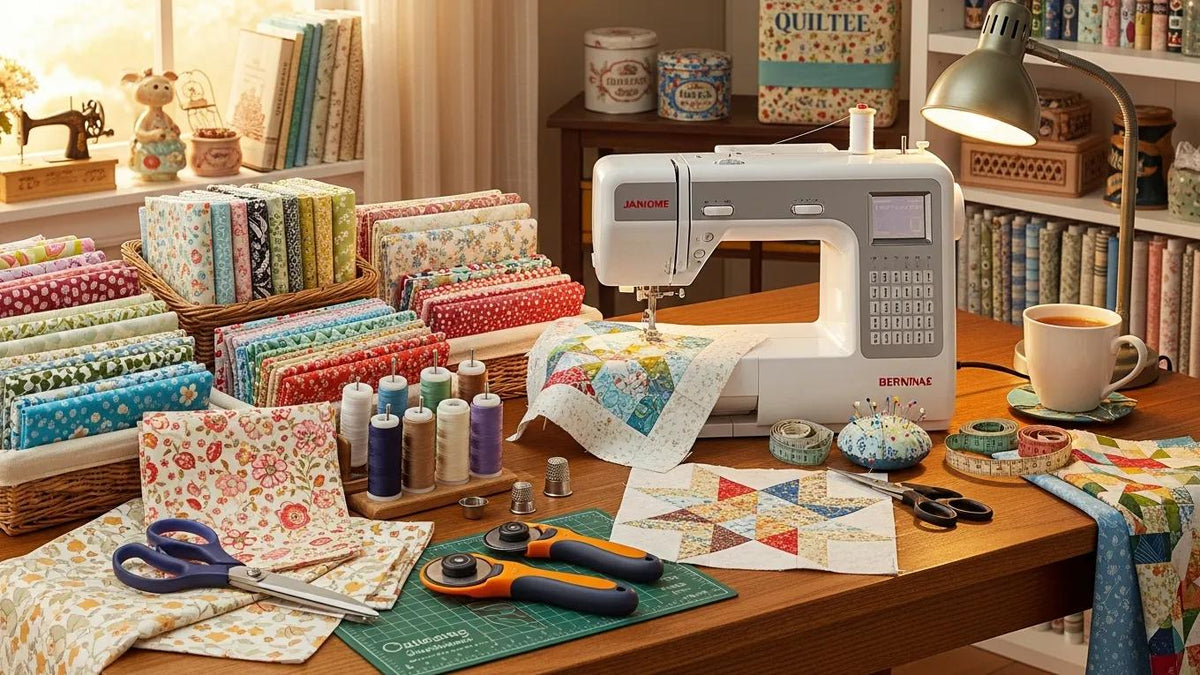
How to Care for Quilting Fabric & Finished Quilts: Complete Quilt Washing, Drying, and Maintenance Guide

Caring for quilting fabric and finished quilts is essential for preserving their beauty and longevity. Proper maintenance not only enhances the aesthetic appeal of quilts but also ensures that they remain functional and durable over time. This comprehensive guide will delve into the best practices for washing, drying, and maintaining quilts, providing you with the knowledge to keep your quilting projects in pristine condition. Many quilters face challenges in maintaining their fabrics and finished quilts, leading to concerns about wear and tear. By following the right techniques, you can protect your investments and enjoy your quilts for years to come. We will explore various aspects of quilt care, including washing methods, drying techniques, storage solutions, and general maintenance tips.
Comprehensive Guide on Quilt Washing, Drying, and Maintenance Techniques
Understanding the importance of proper quilt care is crucial for any quilter. Quilts are not just decorative items; they often hold sentimental value and represent countless hours of hard work. By implementing effective washing, drying, and maintenance techniques, you can ensure that your quilts remain vibrant and intact. This guide will provide an overview of essential practices that will help you maintain the quality of your quilting fabric and finished quilts.
Washing Quilts: Best Practices

Washing quilts requires careful attention to detail to prevent damage. Here are some best practices to follow:
- Prewash Fabric Panels: Always prewash your fabric panels before assembling your quilt. This helps to remove any chemicals or sizing that may affect the fabric's performance.
- Spot Treatment for Stains: Address any stains immediately with a gentle stain remover. Test the product on a small, inconspicuous area first to ensure it does not damage the fabric.
- Choosing the Right Detergent: Use a mild detergent specifically designed for delicate fabrics. Avoid bleach and harsh chemicals that can weaken fibers and fade colors.
For those looking for high-quality quilting supplies, Let's Make It offers a range of premium quilting fabrics and accessories that support fabric longevity and quilt preservation.
Drying Quilts: Techniques
Drying quilts properly is just as important as washing them. Here are some effective techniques:
- Air-Drying Methods: Whenever possible, air-dry your quilts by laying them flat on a clean surface or hanging them up. This method helps to maintain the quilt's shape and prevents shrinkage.
- Tumble Drying Precautions: If you must use a dryer, set it to a low heat setting and remove the quilt while it is still slightly damp to avoid over-drying.
- Maintaining Quilt Integrity: Always check the quilt for any signs of damage before drying. Repair any loose seams or fabric wear to prevent further issues.
To assist in drying techniques, consider using specialized quilt drying racks available from Let's Make It, designed to support the weight of wet quilts without causing distortion.
Storage of Quilts: Maintenance Tips

Proper storage is essential for maintaining the quality of your quilts. Here are some tips to consider:
- Breathable Storage Solutions: Store quilts in breathable cotton or muslin bags to protect them from dust while allowing air circulation.
- Avoiding Moisture Buildup: Ensure that quilts are completely dry before storing them to prevent mold and mildew growth.
- Organizing Quilts for Easy Access: Fold quilts neatly and store them in a cool, dry place. Avoid stacking heavy items on top to prevent crushing.
For optimal storage solutions, Let's Make It provides a variety of quilt storage products that can help keep your quilts safe and organized.
General Maintenance Techniques
Regular maintenance is key to prolonging the life of your quilts. Here are some essential techniques:
- Consistent Care Practices: Establish a routine for checking your quilts for any signs of wear or damage. Regular inspections can help catch issues early.
- Re-Pressing Seams: Occasionally re-press seams to maintain the quilt's shape and appearance. This is especially important after washing.
- Trimming Edges: Keep edges neat by trimming any loose threads or frayed fabric. This not only improves appearance but also prevents further unraveling.
Troubleshooting Common Issues
Even with the best care, issues may arise. Here are some common problems and their solutions:
- Addressing Stains: For stubborn stains, consider using a specialized quilt stain remover. Always follow the manufacturer's instructions.
- Fixing Ripples: If your quilt has developed ripples, re-pressing the fabric with a steam iron can help restore its flat appearance.
- Repairing Uneven Borders: For uneven borders, carefully trim the edges and re-sew to create a uniform look.
What Are the Best Quilt Washing Instructions to Protect Fabric Quality?
To protect the quality of your fabric, follow these washing instructions:
- Use Cold Water: Always wash quilts in cold water to prevent shrinking and fading.
- Gentle Cycle: Set your washing machine to a gentle cycle to minimize agitation.
- Avoid Overloading: Wash quilts alone or with similar lightweight items to prevent tangling and damage.
How Do You Wash a Quilt Without Damaging It?
Washing a quilt without causing damage involves careful handling and the right techniques. Always use cold water and a gentle detergent, and avoid wringing or twisting the quilt. Instead, allow it to soak and gently agitate in the wash. After washing, air-dry or tumble dry on low heat to maintain its integrity.
Which Washing Methods Are Suitable for Different Fabric Types?
Different fabric types require specific washing methods:
- Cotton Quilting Fabric: Machine wash on a gentle cycle with cold water.
- Wool Quilting Fabric: Hand wash or use a delicate cycle with cold water to prevent felting.
- Synthetic Quilting Fabric: Machine wash on a gentle cycle, but avoid high heat in the dryer.
Which Are the Best Detergents for Quilts to Preserve Color and Texture?
Choosing the right detergent is crucial for maintaining the quality of your quilts. Here are some recommended options:
- Gentle Detergents: Look for detergents specifically designed for delicate fabrics, such as those labeled as "free and clear" or "gentle."
- Color-Safe Options: Use color-safe detergents to prevent fading and maintain vibrancy.
- Eco-Friendly Choices: Consider eco-friendly detergents that are free from harsh chemicals, which can be beneficial for both your quilts and the environment.
What Detergents Are Recommended for Delicate Quilting Fabrics?
For delicate quilting fabrics, consider using:
- Woolite: Known for its gentle formula that protects fibers.
- Ecover: An eco-friendly option that is safe for sensitive fabrics.
- The Laundress Delicate Wash: Specifically formulated for delicate items, ensuring color and texture preservation.
How Do Detergent Types Affect Fabric Longevity and Colorfastness?
The type of detergent used can significantly impact fabric longevity and colorfastness. Harsh detergents can break down fibers over time, leading to wear and fading. In contrast, gentle, color-safe detergents help maintain the integrity of the fabric, ensuring that colors remain vibrant and textures stay intact.
What Are the Most Effective Quilt Drying Methods to Prevent Damage?
To prevent damage during the drying process, consider these effective methods:
- Air Drying: The safest method, allowing quilts to dry naturally without heat.
- Low Heat Tumble Drying: If using a dryer, select a low heat setting and remove the quilt while still slightly damp.
- Avoid Direct Sunlight: When air drying, keep quilts out of direct sunlight to prevent fading.
How Should You Dry Quilts to Avoid Shrinkage and Fabric Stress?
To avoid shrinkage and fabric stress, always opt for air drying when possible. If using a dryer, set it to the lowest heat setting and check frequently to prevent over-drying. This approach helps maintain the quilt's shape and prevents fabric damage.
Can Ironing Help Maintain Quilt Appearance and Fabric Integrity?
Yes, ironing can help maintain a quilt's appearance and fabric integrity. Use a steam iron on a low setting to gently press seams and remove wrinkles. Always place a pressing cloth between the iron and the fabric to protect delicate fibers.
How Can You Preserve Quilting Fabric and Finished Quilts Long-Term?
Long-term preservation of quilting fabric and finished quilts involves careful storage and maintenance practices. Here are some strategies:
- Store in a Cool, Dry Place: Avoid areas with high humidity or temperature fluctuations.
- Use Acid-Free Materials: When storing quilts, use acid-free tissue paper or boxes to prevent yellowing and deterioration.
- Regularly Rotate Storage: If storing for long periods, periodically take quilts out to air them and check for any signs of damage.
What Are the Best Storage Solutions for Finished Quilts?
For finished quilts, consider these storage solutions:
- Cotton Storage Bags: Breathable and protective, ideal for long-term storage.
- Acid-Free Boxes: Prevents yellowing and damage from environmental factors.
- Quilt Racks: Display quilts while keeping them safe from dust and damage.
How Do You Prevent Moth Damage and Fabric Deterioration During Storage?
To prevent moth damage and fabric deterioration, ensure that quilts are clean and dry before storage. Use cedar blocks or lavender sachets in storage areas to deter moths naturally. Regularly inspect stored quilts for any signs of pests or damage.
What Are Essential Quilt Maintenance Tips for Repairing and Restoring Quilts?
Maintaining quilts involves regular inspections and timely repairs. Here are some essential tips:
- Repair Small Tears: Use a needle and thread to mend small tears promptly to prevent further damage.
- Reinforce Weak Seams: Check seams regularly and reinforce any that appear weak or frayed.
- Consider Professional Restoration: For significant damage, consult a professional quilt restoration service to ensure proper care.
Emphasizing the broader scope of textile care, professional restoration aligns with the ethical practices and attentive skill central to textile conservation.
Textile Conservation: Ethical Practices for Fragile Textile Repair & Preservation
This paper explores textile conservation training through an interdisciplinary lens combining care ethics, hands-on pedagogies, and critical museum studies. I will examine how conservators-in-training develop embodied, ethical practices in the handling and repair of fragile textiles. The study argues for reframing conservation as a form of care—both practical and conceptual. It positions conservation not merely as preservation but as an active, relational practice shaped by attentiveness, skill, and ethical responsiveness to change.
Conservation as Care: Interdisciplinary Approaches to Textile Conservation as an Embodied Practice, 2025
How Do You Repair Small Tears and Fabric Wear in Quilts?
To repair small tears, use a needle and thread that matches the fabric color. Gently sew the edges of the tear together, ensuring that the stitches are tight but not overly tight to avoid puckering. For fabric wear, consider using a patch that complements the quilt's design.
When Should You Consider Professional Quilt Restoration Services?
Consider professional quilt restoration services when dealing with extensive damage, such as large tears, significant fading, or when the quilt holds substantial sentimental value. Professionals have the expertise and tools to restore quilts while preserving their integrity.
Frequently Asked Questions
What is the best way to store quilts long-term to prevent damage?
To store quilts long-term effectively, use breathable cotton or muslin bags to protect them from dust while allowing air circulation. Ensure that quilts are completely dry before storage to prevent mold and mildew. It's also advisable to store them in a cool, dry place, avoiding areas with high humidity or temperature fluctuations. Regularly check on stored quilts and rotate them to air them out, which helps maintain their quality and prevents deterioration.
How can I remove stubborn stains from my quilt without causing damage?
For stubborn stains, it's best to use a specialized quilt stain remover. Always test the product on a small, inconspicuous area first to ensure it won't damage the fabric. Apply the stain remover according to the manufacturer's instructions, gently blotting the stain rather than rubbing it, which can spread the stain or damage the fibers. After treatment, wash the quilt as per the recommended washing instructions to ensure the stain is fully removed.
What should I do if my quilt has developed a musty smell?
If your quilt has developed a musty smell, it may be due to moisture buildup. Start by airing it out in a well-ventilated area, preferably outdoors but out of direct sunlight to prevent fading. If the smell persists, consider washing the quilt using a gentle detergent and cold water, ensuring it is completely dry afterward. For persistent odors, using a fabric freshener designed for textiles can also help eliminate the musty scent.
How often should I inspect my quilts for maintenance?
It's advisable to inspect your quilts at least once every few months, especially if they are stored away. Regular inspections allow you to catch any signs of wear, such as loose seams, fabric fraying, or pest damage early on. If you use your quilts frequently, consider checking them after each wash. This proactive approach helps maintain their condition and prolongs their lifespan, ensuring they remain beautiful and functional for years to come.
Can I use fabric softener when washing my quilts?
It's generally not recommended to use fabric softener when washing quilts, as it can leave a residue that affects the fabric's breathability and absorbency. Instead, opt for a gentle detergent specifically designed for delicate fabrics. If you desire a softer feel, consider adding a cup of white vinegar to the rinse cycle, which can help soften the fabric without the drawbacks of commercial fabric softeners.
What are the signs that my quilt needs professional restoration?
Signs that your quilt may need professional restoration include extensive damage such as large tears, significant fading, or if it holds substantial sentimental value. Additionally, if you notice persistent stains that you cannot remove or if the quilt has structural issues like weak seams or fabric wear, seeking professional help is advisable. Professionals have the expertise to restore quilts while preserving their integrity and value.
How can I prevent my quilts from attracting pests during storage?
To prevent pests from damaging your quilts during storage, ensure they are clean and completely dry before putting them away. Use cedar blocks or lavender sachets in storage areas, as these natural repellents deter moths and other insects. Regularly inspect stored quilts for any signs of pests or damage, and consider rotating them periodically to keep them fresh and free from potential infestations.
